
Service Hotline
Service Hotline
Due to their excellent physical and chemical properties, aluminum alloy materials have been widely used in instrument manufacturing. They have characteristics such as lightweight, high strength, good corrosion resistance, good conductivity, and thermal conductivity, making aluminum alloy materials an ideal choice for instrument manufacturing. The following will introduce the characteristics of aluminum alloy materials and their applications in different instruments.
Characteristics of aluminum alloy materials
Lightweight: The density of aluminum alloys is much lower than that of steel, which makes the instruments manufactured with aluminum alloys lighter, helping to reduce the energy consumption of the instruments and lighten the burden on the users, especially suitable for the design of portable instruments.
High strength: Although aluminum alloys have a low density, their strength and hardness are high, capable of withstanding significant external forces, ensuring the stability of the instruments during use.
Corrosion resistance: Aluminum alloys have good corrosion resistance, which is not prone to rust, especially important for instruments used outdoors or exposed to harsh environments for a long time.
Good conductivity and thermal conductivity: Aluminum alloys have excellent conductivity and thermal conductivity, making them suitable for instrument components that require conductivity or heat dissipation, such as circuit boards and heat sinks in electronic instruments.
Good processing performance: Aluminum alloys have good plasticity and processing performance, which are easy to process through various processes such as casting, extrusion, and forging, providing convenience for the application of aluminum alloy materials in instrument manufacturing.
Application of aluminum alloys in instruments
Electronic instruments: Aluminum alloys are commonly used to manufacture the shells and internal structural components of electronic instruments, such as laptops, tablets, and mobile phones. Their lightweight characteristics make these devices more portable, while their corrosion resistance ensures the stability of the equipment during use.
Medical instruments: In the medical field, aluminum alloys are often used to manufacture surgical instruments and diagnostic equipment due to their good biocompatibility and corrosion resistance. For example, some high-end X-ray machines and CT scanners use aluminum alloy materials for their frames.
Precision instruments: In the manufacturing of precision instruments, such as precision measuring instruments and optical instruments, aluminum alloys are widely used in the manufacturing of precision components due to their high strength and good processing performance. These instruments usually require stable and lightweight structures to ensure measurement accuracy.
Aerospace field: In the aerospace field, aluminum alloys are widely used in the manufacturing of aircraft structural components and engine parts due to their lightweight and high-strength characteristics. These components need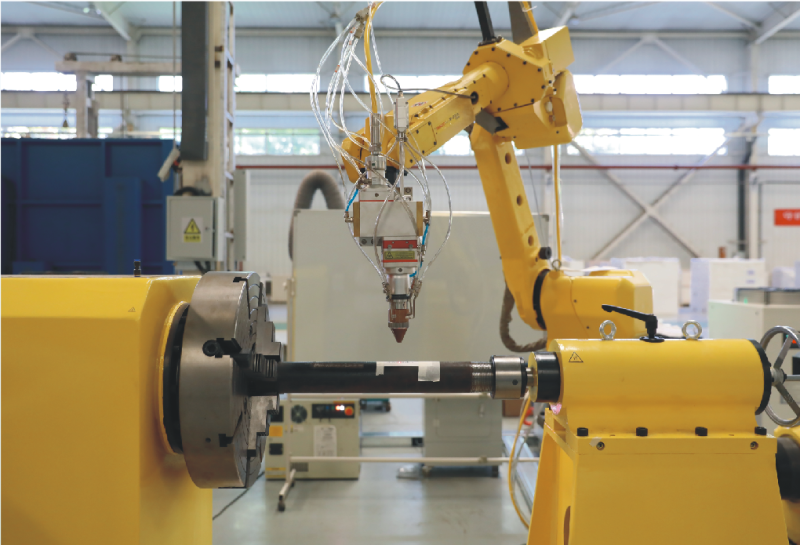 to maintain structural stability and strength in extreme environments.
In summary, due to its excellent properties, aluminum alloy materials have a wide range of application prospects in instrument manufacturing. With the advancement of technology and the continuous development of new materials, the application of aluminum alloy materials in instrument manufacturing will become more extensive and in-depth.
Copyright ©2025 Instrumentation Manufacturer
Addresses: Phone number: E-Mail:

Our Businesses