
Service Hotline
Service Hotline
The Calibration Cycle and Calibration Method of Precision Measuring Instruments, Ensuring Measurement Accuracy
Precision measuring instruments play a crucial role in industrial production and scientific research. Their accuracy and reliability directly affect the precision of measurement results, which in turn influences product quality, the credibility of experimental results, and the depth of scientific research. However, precision measuring instruments are not a one-time solution. They are affected by various factors during use, such as environmental temperature, humidity, vibration, and electromagnetic interference. These factors can change the performance of the measuring instruments, thereby affecting the accuracy of the measurement results. Therefore, it is particularly important to calibrate precision measuring instruments regularly to ensure the accuracy of their measurement results.
The calibration cycle of precision measuring instruments is generally determined by the manufacturer according to factors such as the type of instrument, operating environment, and frequency of use, usually one or two years. However, this is just a rough reference cycle, and the actual calibration cycle should be determined according to the actual operating conditions of the instrument. For some key measuring instruments, such as precision measuring equipment, high-precision thermometers, pressure gauges, etc., the calibration cycle may be shorter, even requiring calibration once a month or once a week.
The calibration methods of precision measuring instruments mainly include laboratory calibration and on-site calibration. Laboratory calibration refers to sending the precision measuring instrument to a professional calibration institution for calibration, calibrating the instrument through standard equipment or standard substances. On-site calibration is to bring the precision measuring instrument to the operating site for calibration. Laboratory calibration is more accurate, but more expensive and time-consuming, while on-site calibration is less expensive, but the calibration results may not be as accurate as laboratory calibration. Therefore, in most cases, laboratory calibration and on-site calibration are combined to ensure the accuracy of the calibration results.
The calibration methods of precision measuring instruments mainly include the following several types:
Comparison method: By comparing the precision measuring instrument with standard equipment or standard substances to determine the measurement error of the instrument. This method is suitable for various types of precision measuring instruments, such as thermometers, pressure gauges, flowmeters, etc.
Substitution method: By using substitute equipment or standard substances to replace the precision measuring instrument for calibration, to determine the measurement error of the instrument. This method is suitable for some precision measuring instruments that cannot be directly compared, such as some special optical instruments, etc.
Zero-point calibration: By adjusting the zero point of the precision measuring instrument, it can reach zero under specific conditions to ensure the accuracy of the instrument's measurement results. This method is suitable for some precision measuring instruments that require zero-point calibration, such as some special thermometers, pressure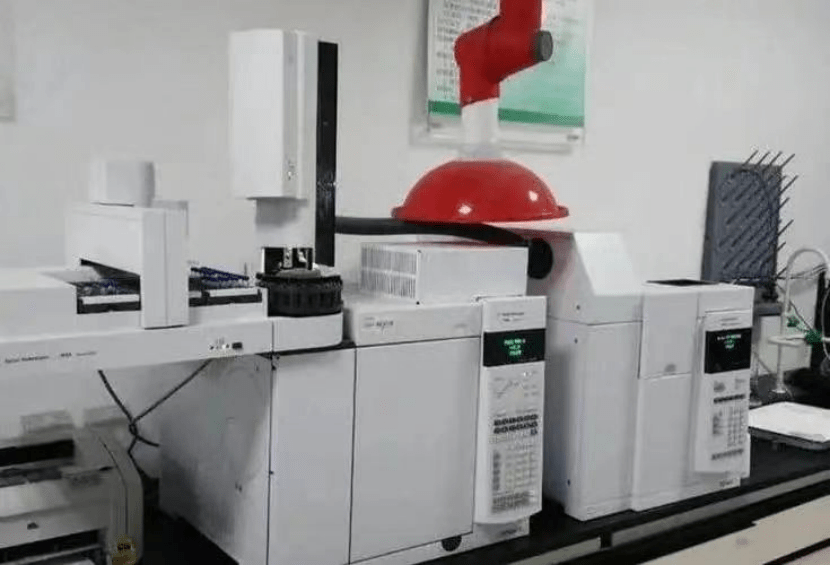 gauges, etc.
Full-scale calibration: By adjusting the full scale of the precision measuring instrument, it can reach the maximum value under full-scale conditions to ensure the accuracy of the instrument's measurement results. This method is suitable for some precision measuring instruments that require full-scale calibration, such as some special flowmeters, etc.
The calibration cycle and method of precision measuring instruments require comprehensive consideration of factors such as the type of measuring instrument, operating environment, and frequency of use. Only by ensuring the correctness of the calibration cycle and method of precision measuring instruments can the accuracy of measurement results be guaranteed, thereby ensuring product quality, the credibility of experimental results, and the depth of scientific research.
Copyright ©2025 Instrumentation Manufacturer
Addresses: Phone number: E-Mail:

Our Businesses