
Service Hotline
Service Hotline
Layout design principles of human-machine interaction interfaces in instrument manufacturing and their impact on operational convenience
In the field of instrument manufacturing, the design of human-machine interaction interfaces (Human-Machine Interface, HMI) not only affects the user's operation experience but also is directly related to the efficiency and safety of equipment use. A good HMI design can significantly improve operational convenience, while poor design can lead to difficulties in user operations and even potential safety hazards.
Firstly, the principles of human-machine interaction interface layout design
Clear objectives: When designing the HMI interface, it is first necessary to clarify the use objectives of the equipment. Different equipment should have different HMI design objectives and interface layouts. For example, the HMI design of analytical instruments used in laboratories should focus on data reading, parameter setting, and experimental operations as the main functions, while the HMI design of industrial automation equipment should pay more attention to the operation status, fault diagnosis, and maintenance tips of the equipment.
Simplicity and clarity: HMI design should follow the principle of simplicity and clarity, minimizing unnecessary elements to ensure that users can quickly understand and operate the equipment. At the same time, the interface layout should be clear, avoiding excessive visual interference so that users can focus on equipment operations.
Consistency: In HMI design, the principle of consistency should be maintained. For example, buttons, icons, and colors with the same function should be consistent to reduce the user's cognitive burden and improve the convenience of operations.
Usability: HMI design should focus on the usability of the equipment, ensuring that users can complete operations easily. For example, operation elements such as buttons and sliders should be easy to recognize and operate, and complex operations should provide detailed instructions and guidance.
Secondly, the impact of human-machine interaction interface layout design on operational convenience
Interface layout: Reasonable interface layout can make the operation of the equipment more intuitive and convenient. For example, placing commonly used functions in prominent positions on the screen allows users to quickly find and operate. At the same time, through reasonable design, the various functional modules of the equipment can be conveniently switched and operated.
Operational convenience: Good HMI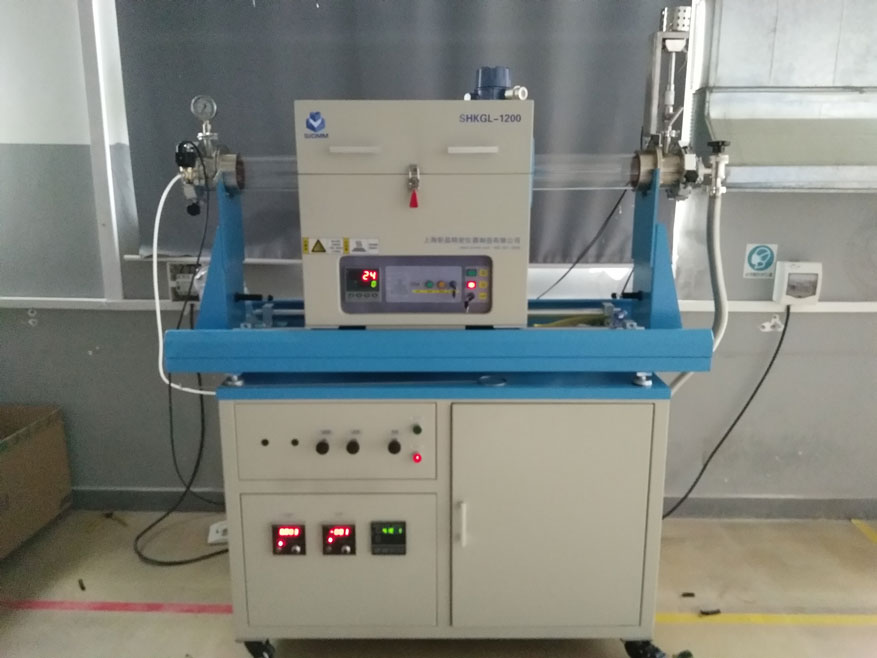 design can improve operational convenience, allowing users to complete equipment operations more quickly and accurately. For example, by reasonably arranging the various functional modules of the equipment, users can quickly find and operate the required functions, thereby improving the efficiency of equipment use.
Safety: Reasonable HMI design can enhance the safety of equipment. For example, by adding safety tips and warnings to the HMI interface of the equipment, users can understand the operation status of the equipment in a timely manner, thus avoiding operation errors and reducing the risk of equipment failure.
In summary, HMI design is an indispensable part of the equipment manufacturing process. By following the aforementioned principles, it is possible to design more user-friendly and convenient HMI interfaces, thereby improving the efficiency and safety of equipment use.
Copyright ©2025 Instrumentation Manufacturer
Addresses: Phone number: E-Mail:

Our Businesses