
Service Hotline
Service Hotline
Considerations and Measures for the Safety Design of Human-Machine Interaction Interfaces in Instrument Manufacturing
In the era of rapid development of science and technology, the degree of intelligence in instrument manufacturing is constantly improving, and the design of human-machine interaction interfaces (Human-Machine Interface, abbreviated as HMI) is increasingly being valued. HMI is the medium for interaction between humans and machines, directly affecting the work efficiency, safety, and comfort of operators. Therefore, safety design is an indispensable part of HMI design. This article will discuss several aspects of how to carry out safety design of human-machine interaction interfaces in instrument manufacturing.
Firstly, Safety Design Considerations
Information Security: Information security is one of the important considerations in the design of human-machine interaction interfaces. In the design, it should be ensured that the input data is not accessed or tampered with by unauthorized users, preventing information leakage.
Operation Safety: The safety of operation is mainly reflected in preventing misoperation and misuse. The design should consider the rationality of operation steps, avoid complex operation processes, and provide clear error prompts and warnings to help users discover and correct errors in a timely manner.
User Interface Friendliness: The design of human-machine interaction interfaces should be user-centered, simple and clear, avoiding excessive complexity, making operations more intuitive and easy to understand.
System Stability: System stability is a key factor in ensuring the normal operation of the equipment. The design should take into account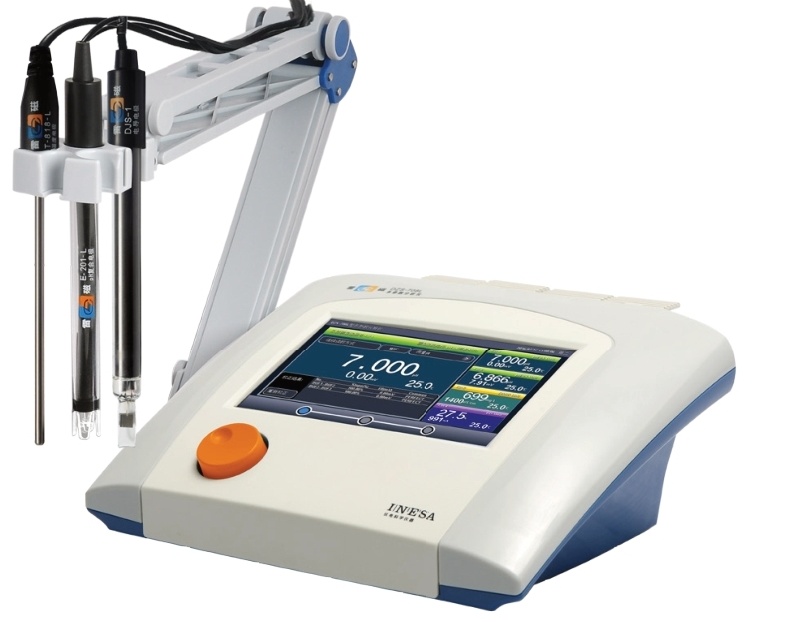 the stability of the equipment under various environmental conditions, including temperature, humidity, and electromagnetic interference, to ensure that the equipment can operate normally under various conditions.
Fault Diagnosis and Recovery: The design should consider the diagnosis and recovery mechanisms when the equipment fails, including the collection of fault information, analysis of fault causes, and rapid recovery of faults, to ensure the availability of the equipment.
Secondly, Safety Design Measures
Secure Input Validation: Validate input data to prevent illegal input. For example, for sensitive information input, encryption technology should be used to protect data security.
Access Control: Assign different permissions to different users to ensure that only authorized users can access specific information or perform specific operations.
Error Handling: Provide detailed error handling mechanisms, including error codes, error messages, and error handling steps, so that users can quickly and accurately solve problems.
System Redundancy Design: Adopt redundancy design, such as dual-active backup and multiple backups, to improve the stability and reliability of the system.
Regular Maintenance and Updates: Regularly maintain and update the equipment to ensure the security of the system and software, and promptly repair known security vulnerabilities.
Safety Training: Provide safety training for operators to enhance their safety awareness and operational skills, ensuring that they can operate the equipment correctly and avoid safety accidents caused by improper operation.
In summary, safety design is an indispensable part of human-machine interaction interface design. Through reasonable design and effective measures, the safety of the equipment can be improved, ensuring the safety of the operators and the stable operation of the equipment.
Copyright ©2025 Instrumentation Manufacturer
Addresses: Phone number: E-Mail:

Our Businesses