
Service Hotline
Service Hotline
The Importance of Instrument Industry Standards for Ensuring Instrument Compatibility and Interchangeability
In today's rapidly evolving technology, the instrument industry, as an important support for the development of modern science and technology, must strictly follow industry standards in all aspects of product design, production, use, and maintenance. Among them, the compatibility and interchangeability of instruments play a crucial role. This article will discuss the key role of instrument industry standards in ensuring the compatibility and interchangeability of instruments.
Instrument compatibility refers to the ability of instruments of different brands and models to work together and complete specific tasks during use. Interchangeability refers to the ability of instruments of different brands and models to be replaced under certain conditions, achieving the same or similar functions. Both are important components of instrument industry standards and are of great significance for improving the efficiency of instrument use, reducing maintenance costs, promoting technological exchange, and driving technological progress.
Firstly, the formulation and implementation of industry standards can promote the standardized development of the instrument industry. Standardization is the foundation for the healthy development of the instrument industry. By formulating unified industry standards, it can ensure that different brands and models of instruments have good compatibility and interchangeability in all aspects of design, production, use, and maintenance, avoiding compatibility issues caused by different standards and thus enhancing the overall level of the instrument industry.
Secondly, the formulation and implementation of industry standards can promote the innovation and development of the instrument industry. Under the framework of standardization, instruments of different brands and models can draw on the advanced experience and technology of other brands in the design and production process, thereby promoting the innovation and development of the instrument industry. At the same time, standardization also helps to promote technological exchange in the instrument industry and promote technological progress.
Finally, the formulation and implementation of industry standards can ensure the quality and performance of instrument products. Standardization can ensure that the quality and performance of instrument products reach a unified level, thereby ensuring the reliability and stability of instrument products. This is not only beneficial for ensuring the user experience but also for maintaining market order and promoting the healthy development of the instrument industry.
In summary, the industry standards for instruments play a vital role in ensuring the compatibility and interchangeability of instruments. Not only can they promote the standardized development and innovation of the instrument industry, but they can also ensure the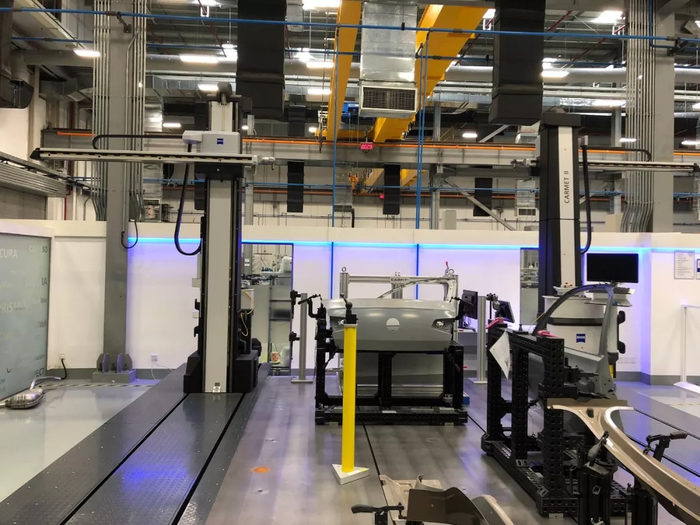 quality and performance of instrument products, thereby enhancing the overall level of the instrument industry. Therefore, the instrument industry should attach great importance to the formulation and implementation of industry standards to ensure the compatibility and interchangeability of instruments, and to promote the healthy and sustainable development of the instrument industry.
Copyright ©2025 Instrumentation Manufacturer
Addresses: Phone number: E-Mail:

Our Businesses