
Service Hotline
Service Hotline
The metrological standards and corresponding calibration specifications and requirements for different types of instruments
In modern industry and scientific research, instrument and equipment play a crucial role. They can help us conduct precise measurements and analyses, promoting the progress and innovation of science and technology. However, in order to ensure the accuracy and reliability of measurement results, it is necessary to calibrate and maintain these instruments regularly. Different types of instruments have different metrological standards and calibration specifications. This article will discuss the calibration specifications and requirements for different types of instruments.
Firstly, electronic instruments
Electronic instruments are indispensable tools in modern industry and scientific research, including but not limited to oscilloscopes, frequency counters, multimeters, digital thermometers, and so on. The calibration of electronic instruments usually follows national or international standards such as IEC 61010, IEC 61065, etc., which have detailed provisions for the performance indicators, calibration methods, and calibration cycles of electronic instruments. For example, for oscilloscopes, it is necessary to calibrate their accuracy, linearity, resolution, and dynamic range; for multimeters, it is necessary to calibrate the accuracy and repeatability of their voltage, current, and resistance measurement functions. In addition, the calibration of electronic instruments should also consider the environmental conditions such as temperature, humidity, and electromagnetic interference on the performance of the instruments.
Secondly, optical instruments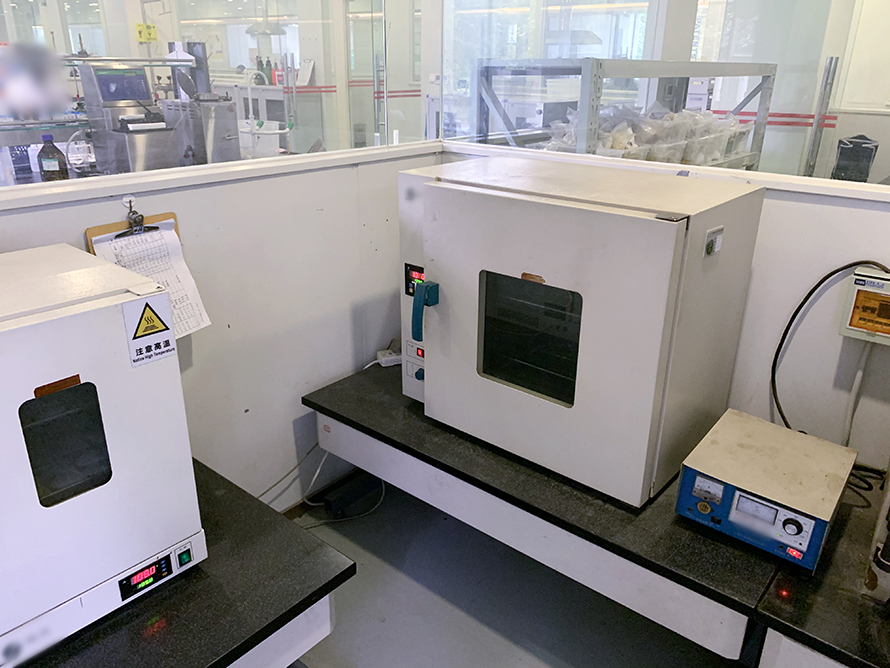
Optical instruments are devices used for measuring and analyzing light, including but not limited to spectrometers, polarized microscopes, interferometers, and so on. The calibration of optical instruments usually follows national or international standards such as ISO 17025, ISO 11146, etc., which have detailed provisions for the performance indicators, calibration methods, and calibration cycles of optical instruments. For example, for spectrometers, it is necessary to calibrate their wavelength accuracy, spectral response, resolution, and other performance indicators; for polarized microscopes, it is necessary to calibrate their magnification, resolution, contrast, and other performance indicators. In addition, the calibration of optical instruments should also consider the environmental conditions such as temperature, humidity, and vibration on the performance of the instruments.
3. Chemical Instruments
Chemical instruments are used for measuring and analyzing chemical substances, including but not limited to pH meters, atomic absorption spectrometers, and gas chromatographs. The calibration of chemical instruments usually follows national or international standards such as ISO 17025, ISO 11146, etc., which have detailed provisions for the performance indicators, calibration methods, and calibration cycles of chemical instruments. For example, for pH meters, it is necessary to calibrate their accuracy of pH value, linearity, and repeatability; for atomic absorption spectrometers, it is necessary to calibrate their accuracy of absorbance, linear range, and detection limit. In addition, the calibration of chemical instruments should also consider the environmental conditions such as temperature, humidity, and electromagnetic interference that affect the performance of the instruments.
4. Biological Instruments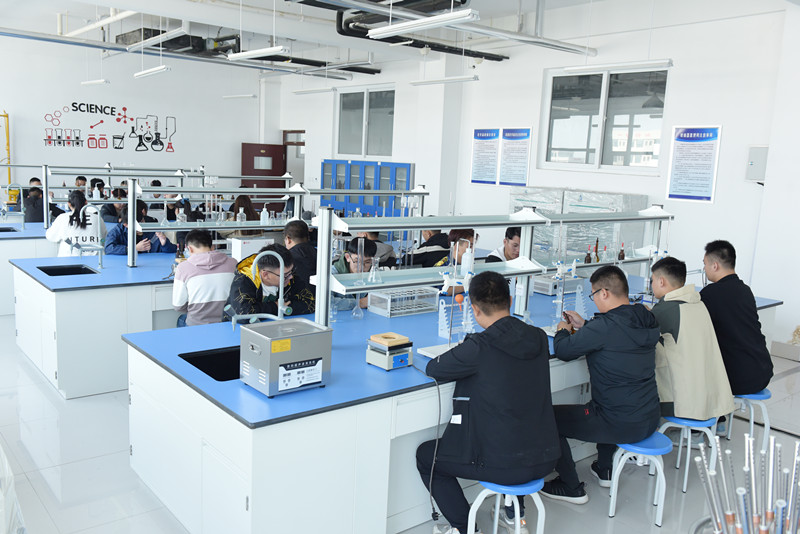
Biological instruments are used for measuring and analyzing biological samples, including but not limited to enzyme-linked immunosorbent assays, flow cytometers, and gene sequencing instruments. The calibration of biological instruments usually follows national or international standards such as ISO 17025, ISO 11146, etc., which have detailed provisions for the performance indicators, calibration methods, and calibration cycles of biological instruments. For example, for enzyme-linked immunosorbent assays, it is necessary to calibrate their accuracy of absorbance, linear range, and repeatability; for flow cytometers, it is necessary to calibrate their accuracy of cell counting and cell sorting precision. In addition, the calibration of biological instruments should also consider the environmental conditions such as temperature, humidity, and electromagnetic interference that affect the performance of the instruments.
5. Mechanical Instruments
Mechanical instruments are used for measuring and analyzing mechanical properties, including but not limited to hardness testers, tensile testing machines, impact testing machines, etc. The calibration of mechanical instruments usually follows national or international standards such as ISO 17025, ISO 11146, etc., which have detailed provisions for the performance indicators, calibration methods, and calibration cycles of mechanical instruments. For example, for hardness testers, it is necessary to calibrate their accuracy of hardness value, linearity, and repeatability; for tensile testing machines, it is necessary to calibrate their accuracy of tensile value, linearity, and repeatability. In addition, the calibration of mechanical instruments should also consider the environmental conditions such as temperature, humidity, and vibration that affect the performance of the instruments.
Different types of instruments require detection and adjustment of their performance indicators according to the corresponding metrological standards and specifications during calibration. At the same time, the environmental conditions of the instruments should also be considered to ensure the accuracy and reliability of the measurement results. In addition, for some special instruments, such as high-precision instruments and high-sensitivity instruments, special calibration and maintenance are required according to their special performance requirements. Therefore, for different types of instruments, it is necessary to understand their performance indicators, calibration methods, and calibration cycles to ensure that they can perform stable and accurate measurements and analysis during use.
Copyright ©2025 Instrumentation Manufacturer
Addresses: Phone number: E-Mail:

Our Businesses