
Service Hotline
Service Hotline
The Construction and Function of Intelligent Monitoring and Fault Diagnosis Systems for Intelligent Manufacturing in Instrument Manufacturing
The importance of intelligent manufacturing in modern manufacturing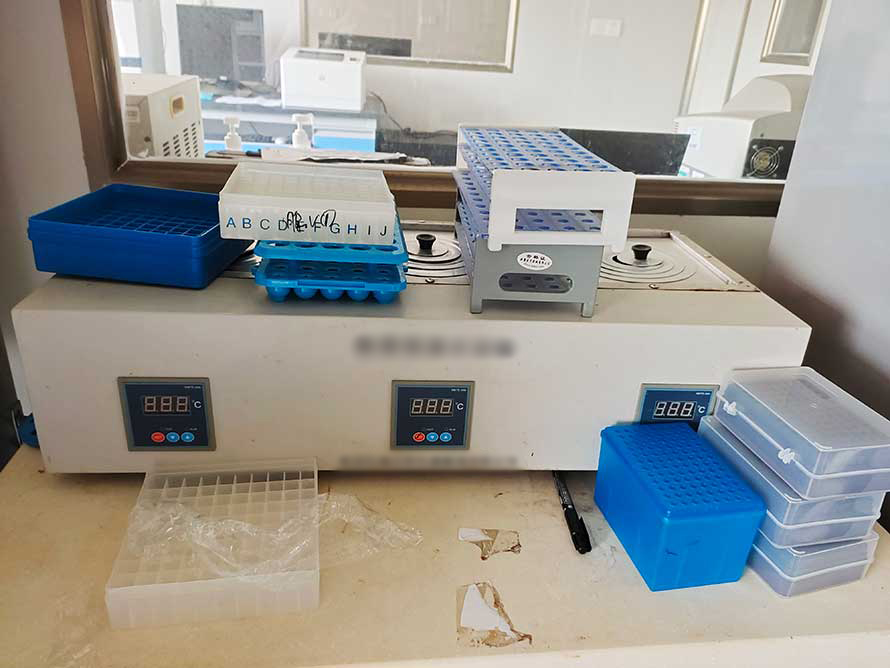 industries is increasingly prominent. As an important part of intelligent manufacturing, intelligent monitoring and fault diagnosis systems are one of the key technologies for realizing intelligent manufacturing. By monitoring equipment status in real-time and diagnosing equipment faults promptly, they achieve intelligent management of equipment, improve equipment operation efficiency, reduce equipment failure rates, minimize downtime, enhance product quality, lower production costs, and strengthen the market competitiveness of enterprises.
Intelligent monitoring and fault diagnosis systems utilize advanced technologies such as sensors, the Internet of Things, big data, cloud computing, and artificial intelligence to monitor various equipment in the production and manufacturing process in real-time. They collect, process, and analyze data on equipment operation status and environmental parameters, monitor the operation status of equipment in real-time, provide early warning and diagnosis for equipment operation, predict and diagnose equipment faults, optimize and maintain equipment operation, and predict and make decisions on equipment operation.
One, Construction of intelligent monitoring system
The intelligent monitoring system consists of five modules: data collection, data processing, data analysis, data display, and decision support. Among them, the data collection module is mainly responsible for collecting data from various equipment, including equipment operation status, environmental parameters, and equipment operation data; the data processing module is mainly responsible for cleaning, integrating, and normalizing the collected data for subsequent data analysis; the data analysis module is mainly responsible for analyzing the processed data, including equipment operation status analysis, equipment operation efficiency analysis, and equipment failure prediction analysis; the data display module is mainly responsible for presenting the analysis results in the form of graphs and charts to users for better understanding; the decision support module is mainly responsible for providing decision support for the analysis results, providing decision-making basis for equipment operation.
Two, Construction of fault diagnosis system
The fault diagnosis system consists of five modules: data collection, data processing, data analysis, data display, and decision support. Among them, the data collection module is mainly responsible for collecting data from various equipment, including equipment operation status, environmental parameters, and equipment operation data; the data processing module is mainly responsible for cleaning, integrating, and normalizing the collected data for subsequent data analysis; the data analysis module is mainly responsible for analyzing the processed data, including equipment operation status analysis, equipment operation efficiency analysis, and equipment failure prediction analysis; the data display module is mainly responsible for presenting the analysis results in the form of graphs and charts to users for better understanding; the decision support module is mainly responsible for providing decision support for the analysis results, providing decision-making basis for equipment operation.
Three, Functions of intelligent monitoring and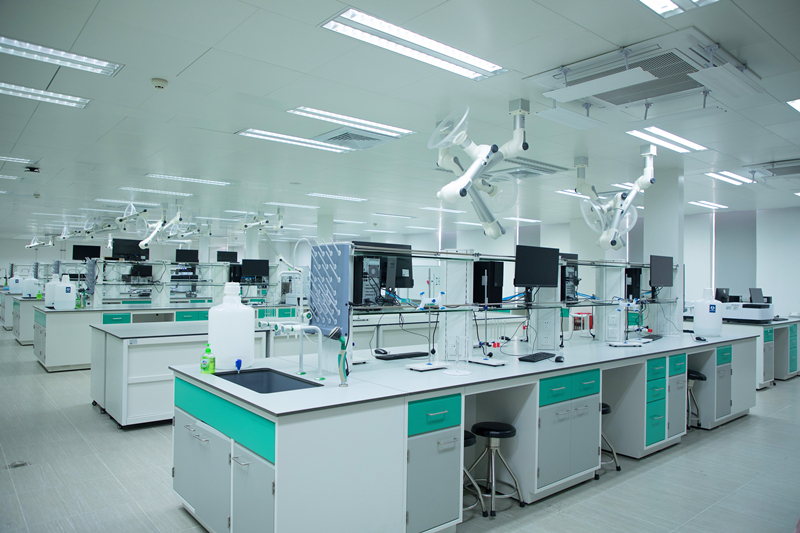 fault diagnosis system
Real-time monitoring: By monitoring equipment operation status, environmental parameters, and equipment operation data in real-time, we can achieve real-time monitoring of equipment, detect equipment operation anomalies in a timely manner, improve equipment operation efficiency, and reduce equipment failure rate.
Predictive maintenance: By analyzing equipment operation status, environmental parameters, and equipment operation data, we can predict equipment failures, perform maintenance in advance, reduce equipment failure rate, and improve equipment operation efficiency.
Automated decision-making: By analyzing equipment operation status, environmental parameters, and equipment operation data, we can make automated decisions on equipment operation status, improve equipment operation efficiency, and reduce equipment failure rate.
Data visualization: By presenting the analysis results in the form of graphs and charts to users, we can visualize the equipment operation status, improve equipment operation efficiency, and reduce equipment failure rate.
Optimization of maintenance: By analyzing equipment operation status, environmental parameters, and equipment operation data, we can optimize equipment maintenance, improve equipment operation efficiency, and reduce equipment failure rate.
The application of intelligent monitoring and fault diagnosis systems in instrument manufacturing can achieve intelligent management of equipment, improve equipment operation efficiency, reduce equipment failure rate, improve product quality, reduce production costs, and enhance the market competitiveness of enterprises.
Copyright ©2025 Instrumentation Manufacturer
Addresses: Phone number: E-Mail:

Our Businesses