
Service Hotline
Service Hotline
The spatial layout and lightweight considerations in the industrial design of instrument manufacturing in portable instrument design
In the surge of modern technology, portable instruments have gradually become an indispensable tool in fields such as scientific research, medical health, industrial detection, military security, and field operations, thanks to their advantages such as small size, light weight, convenient operation, and easy carrying. The industrial design of portable instruments not only concerns the realization of their functions but also affects the user experience. Among them, spatial layout and lightweight considerations are particularly important.
Spatial Layout: Optimizing Function and User Experience
In the design of portable instruments, the consideration of spatial layout is directly related to the practicality and ease of use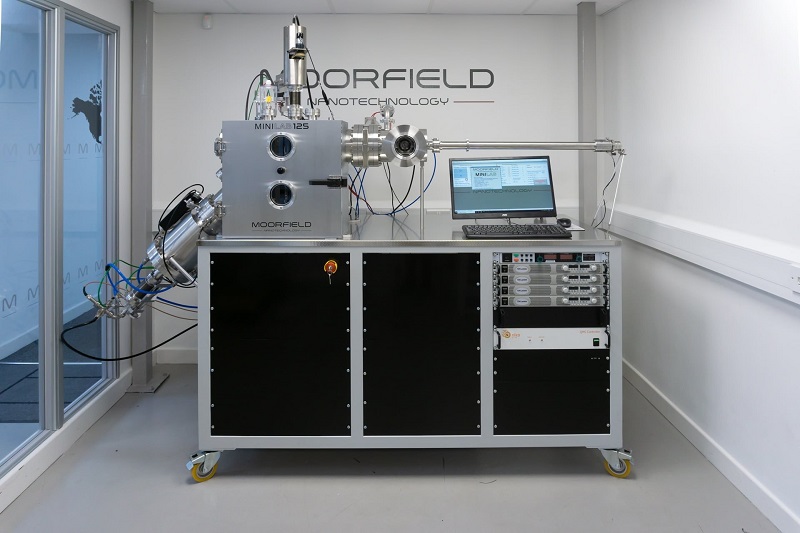 of the instrument. On one hand, reasonable spatial layout can maximize the use of the internal space of the instrument, make components orderly arranged within a limited space, save materials, and improve the compactness of the instrument, thereby reducing the weight of the instrument while ensuring its function. For example, by adopting modular design, different detection modules can be flexibly configured for a portable analyzer, meeting the needs of different application scenarios, while concentrating the display, operation buttons, and other key components, making it convenient for users to operate quickly.
On the other hand, the spatial layout of the instrument also needs to take into account the ease of use. For example, when designing a portable blood glucose meter, it is necessary to ensure that users can easily remove the test strip, insert the needle, perform a blood glucose test, and read the results. Therefore, when laying out, it is necessary to fully consider the ease and comfort of user operations. In addition, to improve the portability of the instrument, it is also necessary to reasonably plan the size and shape of the instrument, so that it can meet the functional requirements while minimizing its volume and weight.
Lightweight Considerations: Material Selection and Structural Optimization
While pursuing portability, lightweight design is also an indispensable part of the design of portable instruments. Lightweight design not only enhances the carrying experience of users but also extends battery life and reduces transportation costs. When selecting materials, it is advisable to prioritize materials with low density, high strength, and corrosion resistance, such as lightweight alloys such as magnesium alloy, titanium alloy, and aluminum alloy, which have good mechanical properties and corrosion resistance, meeting the needs of the instrument. In addition, composite materials such as carbon fiber and glass fiber can also be used, which have excellent mechanical properties and lightweight characteristics, effectively reducing the weight of the instrument while ensuring the stability and safety of its structure.
In terms of structural optimization, by adopting modular design, the application of lightweight materials, and optimizing the structural layout, the overall lightweight of the instrument can be realized. For example, sensors and displays made of lightweight materials can significantly reduce the weight of the instrument; while optimizing the internal structural layout can reduce unnecessary components, further reducing the weight of the instrument. In addition, lightweight design can also be adopted, such as lightweight shells made of lightweight materials, as well as lightweight structural design, such as hollow design and lightweight components made of lightweight materials, these design methods can effectively reduce the weight of the instrument and improve its portability.
In summary, spatial layout and lightweight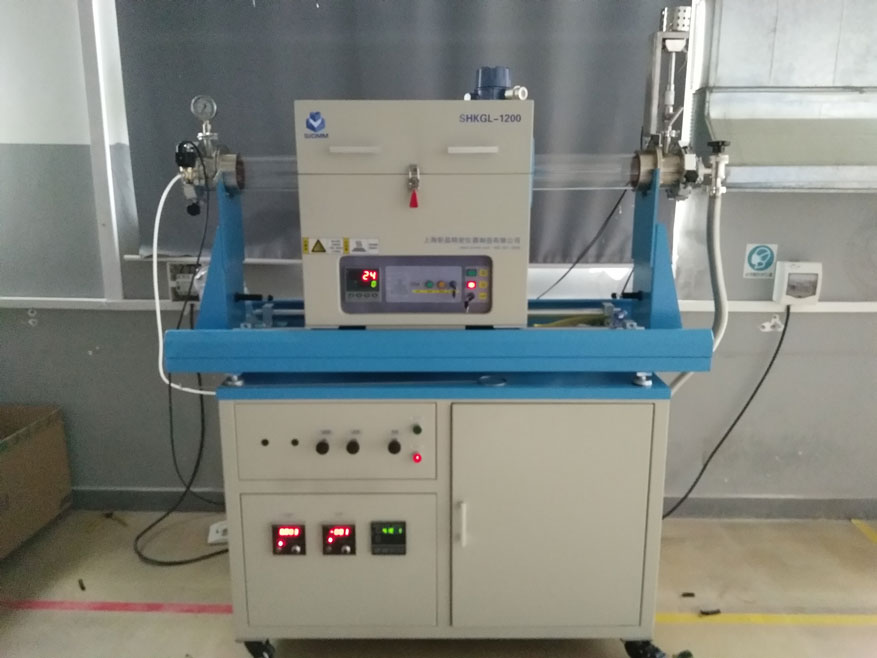 considerations are indispensable important links in the design of portable instruments. Through reasonable spatial layout and lightweight design, the practicality and portability of the instrument can be improved, thereby enhancing
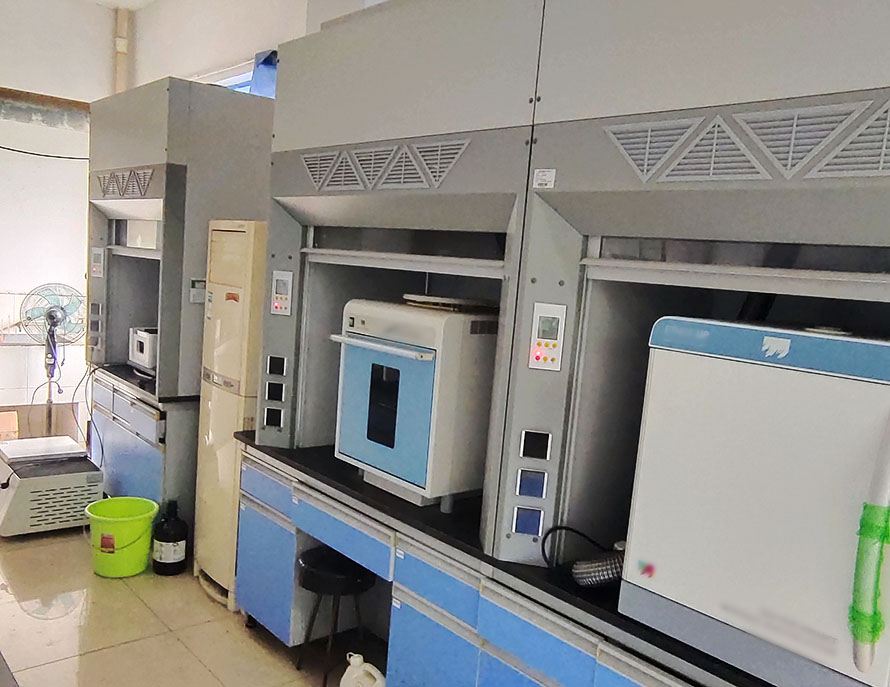 the user experience and meeting the needs of different application scenarios. In the future, with the development of new materials and new technologies, the design of portable instruments will pay more attention to humanization and intelligence, providing users with more convenient and efficient services.
Copyright ©2025 Instrumentation Manufacturer
Addresses: Phone number: E-Mail:

Our Businesses