
Service Hotline
Service Hotline
Key points of hardware architecture design and compatibility considerations in instrument manufacturing
The application of multi-sensor fusion technology in modern instrument manufacturing is becoming increasingly widespread. Multi-sensor fusion technology can integrate data from different sensors to improve system performance and reliability, reduce system failures, and thus enhance the value and application scope of instruments. This article will discuss the key points of hardware architecture design for multi-sensor fusion and the compatibility issues that need to be considered during the design process.
Firstly, key points of hardware architecture design
Data fusion algorithm selection: It is crucial to choose the appropriate fusion algorithm when designing the hardware architecture. Common fusion algorithms include statistical fusion, filtering fusion, and decision fusion. Each algorithm has its applicable scenarios and characteristics, and it needs to be selected according to actual needs.
Sensor selection: The selection of sensors is the core of hardware architecture design. Appropriate sensors need to be selected according to the actual application scenario requirements, such as temperature, pressure, humidity, speed, acceleration, and position, to ensure the performance and stability of the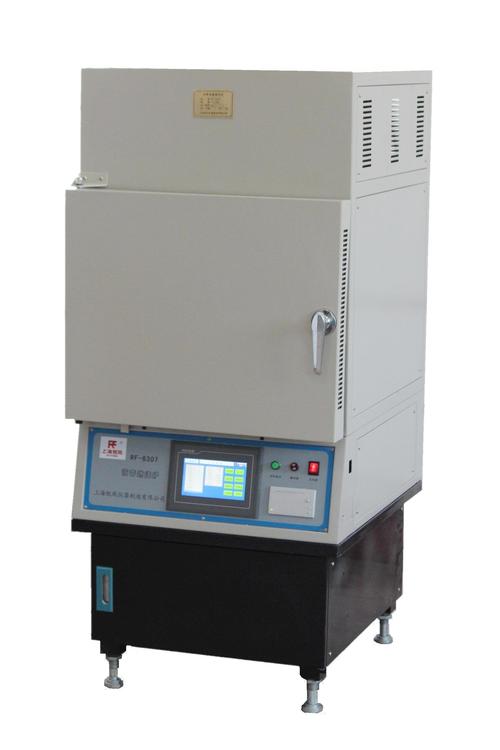 sensors.
Data transmission methods: When designing the hardware architecture, the data transmission methods need to be considered, such as wired transmission and wireless transmission. At the same time, it is necessary to ensure the stability and security of data transmission.
Real-time performance: When designing the hardware architecture, it is necessary to fully consider the real-time performance requirements of the system. For applications with high real-time performance requirements, real-time data processing and transmission mechanisms need to be designed.
Secondly, considerations for compatibility
Compatibility design: When designing the hardware architecture, it is necessary to fully consider compatibility issues. For example, choosing sensors and interfaces with strong compatibility to ensure that the hardware architecture can be seamlessly integrated with other devices and systems.
Compatibility testing: After the hardware architecture design is completed, compatibility testing needs to be carried out to ensure that the hardware architecture can be compatible with other devices and systems.
Compatibility support: During the hardware architecture design process, sufficient space and interfaces need to be reserved for the future addition of new sensors and devices.
Compatibility document: After the design is completed, a detailed compatibility document needs to be written for other engineers to understand and use.
In designing the hardware architecture for multi-sensor fusion, it is necessary to fully consider issues such as the selection of data fusion algorithms, sensors, data transmission methods, real-time performance, and compatibility to ensure that the design of the hardware architecture meets actual needs.
Copyright ©2025 Instrumentation Manufacturer
Addresses: Phone number: E-Mail:

Our Businesses