
Service Hotline
Service Hotline
Key points for the formulation and implementation of comprehensive precision compensation schemes for multi-source errors in instrument manufacturing
Introduction
With the continuous progress of science and technology, the precision requirements of the instrument manufacturing industry are increasingly high. In the modern process of instrument manufacturing, various sources of errors are inevitably encountered, which may come from design, manufacturing, installation, and use, among other links. In order to improve the measurement accuracy of instruments and achieve high precision in instrument manufacturing, it is necessary to comprehensively compensate for these errors. This article will discuss the formulation and implementation of comprehensive precision compensation schemes for multi-source errors in instrument manufacturing.
Two, Classification and characteristics of multi-source errors
Multi-source errors mainly come from the design, manufacturing, installation, and use links, and can be roughly divided into the following categories:
Design errors: Errors caused by inaccurate design parameters or mistakes in the design process.
Manufacturing errors: Processing errors, material errors, assembly errors, etc. during the manufacturing process.
Installation errors: Errors during the installation process, such as inaccurate installation benchmarks and vibration during installation.
Use of errors: Environmental influences during use, operational errors, etc.
These errors have complex, nonlinear, and random characteristics, affecting the stability and reliability of instrument measurement accuracy.
Three, Formulating a comprehensive accuracy compensation scheme for multi-source errors
Analyzing error sources: First, systematically analyze the possible errors in the instrument manufacturing process, clarify the sources, nature, and degree of impact of the errors, and provide a basis for formulating compensation plans.
Determining compensation objects: Determine the types of errors that need to be compensated based on the sources of errors, such as for design errors, optimization design and improvement of design parameters can be used for compensation; for manufacturing errors, improved manufacturing processes and increased manufacturing accuracy can be used for compensation.
Selecting compensation methods: Select appropriate compensation methods based on the nature and characteristics of the errors. For example, for random errors, statistical analysis methods can be used for compensation; for nonlinear errors, mathematical models can be used for compensation.
Formulating compensation strategies: Formulate compensation strategies, including the selection of compensation methods, determination of compensation parameters, and evaluation of compensation effects. For example, for design errors, compensation can be made through optimized design and improvement of design parameters; for manufacturing errors, compensation can be made through improved manufacturing processes and increased manufacturing accuracy.
Implementing compensation: In actual operation, compensation must be made according to the compensation strategy, and the effectiveness of the compensation must also be evaluated to ensure the reliability of the compensation effect.
Four, Key points for the implementation of a comprehensive accuracy compensation scheme for multi-source errors
Strictly controlling errors: Strictly control the errors at each link in the instrument manufacturing process to ensure the measurement accuracy of the instrument.
Regular instrument calibration: Regularly calibrate the instrument to ensure the measurement accuracy of the instrument.
Establishing an error database: Establishing an error database to record the error conditions of each link, providing a basis for formulating compensation plans.
Training operators: Train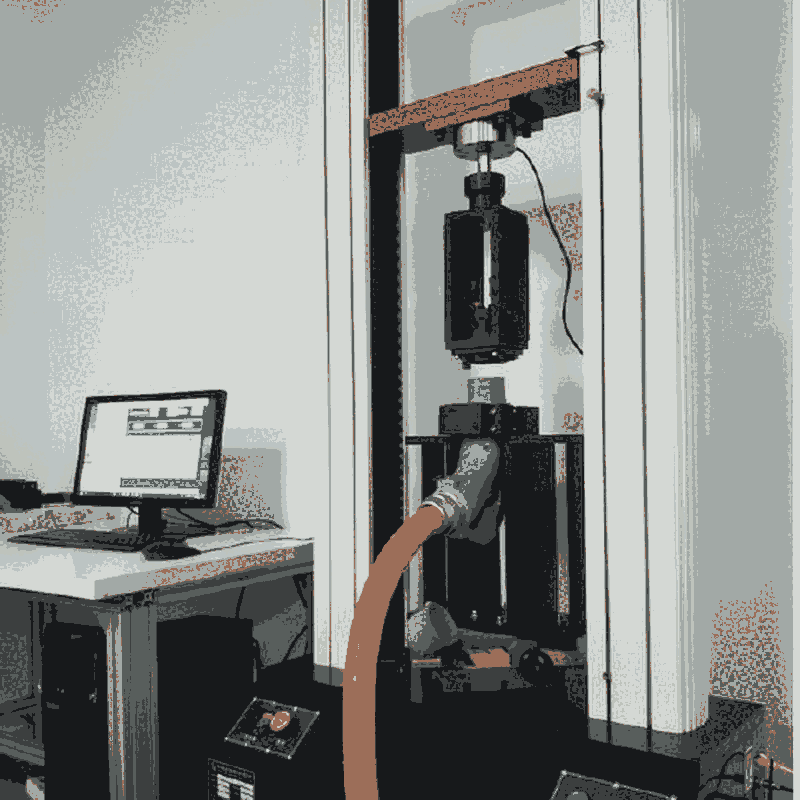 operators to ensure they can use the
 instrument correctly and avoid operational errors.
Implementing a quality management system: Implementing a quality management system to ensure that all processes in the instrument manufacturing process meet quality requirements and improve the measurement accuracy of instruments.
Five, Conclusion
The formulation and implementation of a comprehensive accuracy compensation scheme for multi-source errors is the key to improving the accuracy of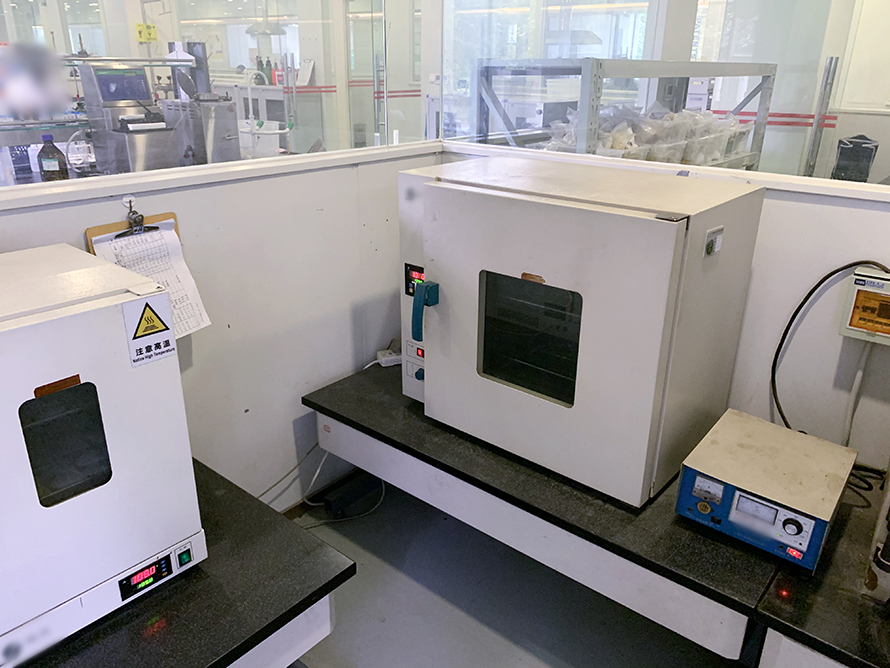 instrument manufacturing. By systematically analyzing the sources of errors, selecting appropriate compensation methods, formulating compensation strategies, and implementing compensation, the measurement accuracy of instruments can be effectively improved. At the same time, strictly controlling errors, regularly calibrating instruments, establishing error databases, training operators, and implementing a quality management system are also important guarantees for improving the measurement accuracy of instruments.
Copyright ©2025 Instrumentation Manufacturer
Addresses: Phone number: E-Mail:

Our Businesses