
Service Hotline
Service Hotline
Key Points of Optical System Assembly Process in Instrument Manufacturing
In instrument manufacturing, the optical system is the core part of the instrument, and its accuracy and performance directly affect the effect of instrument use. The assembly process of optical systems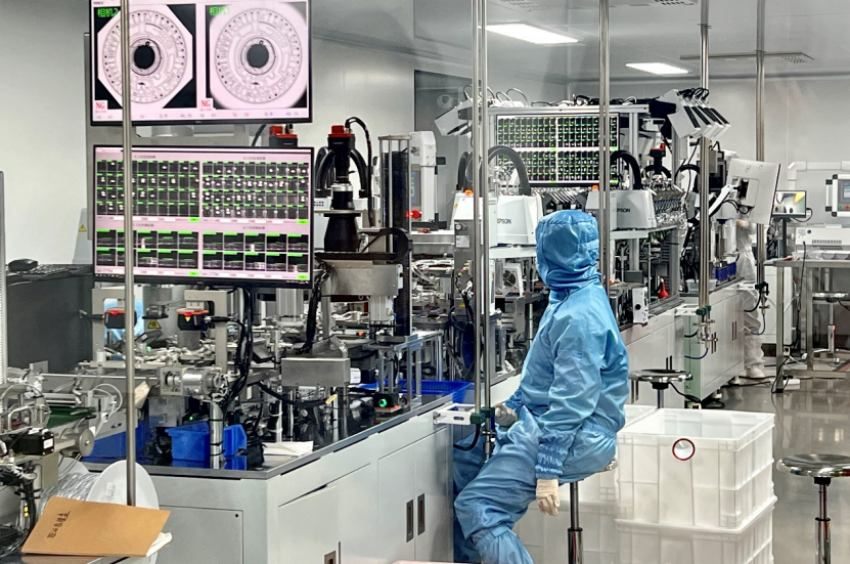 is crucial for ensuring the accurate installation of optical components and improving the accuracy and performance of instruments. The following are several key points of the assembly process of optical systems.
I. Selection of Appropriate Optical Components
The selection of optical components directly affects the performance of the optical system, therefore, when selecting optical components, it is necessary to choose components with high precision, high stability, and high reliability according to the specific needs of the instrument. At the same time, parameters such as the material, size, shape, and surface quality of the optical components need to be considered to ensure that the installation of the optical components meets the design requirements.
II. Precise Measurement and Calibration
Precise measurement and calibration are indispensable during the assembly process of optical components. Before assembly, precise measurement of the optical components is required to ensure that their size, shape, and position meet the design requirements. At the same time, calibration of the optical components is required to ensure their accuracy and stability during the assembly process.
III. Rational Selection of Assembly Method
The assembly method of optical components directly affects the accuracy and stability of the assembly. When selecting an assembly method, it is necessary to consider factors such as the type, size, shape, and position of the optical components to select an appropriate assembly method. For example, for large optical components, mechanical assembly methods can be adopted; for small optical components, adhesive assembly methods can be used.
IV. Strict Control of Assembly Environment
During the assembly process of optical components, strict control of the assembly environment is required to ensure the accuracy and stability of the assembly. The assembly environment needs to be kept clean, dry, dust-free, vibration-free, and free from electromagnetic interference to prevent optical components from being contaminated or damaged during the assembly process. In addition, the temperature and humidity during the assembly process need to be controlled to prevent deformation and expansion of the optical components.
V. Precise Adjustment and Testing
During the assembly process of optical components, precise adjustment of the position and angle of the optical components is required to ensure their accuracy in coordination with other parts of the optical system. At the same time, the optical system needs to be tested to ensure that its performance meets the design requirements. The testing includes parameters such as the spectral response, chromatic aberration, and image aberration of the optical system to ensure the accuracy and stability of the optical system.
In summary, the assembly process of optical systems is crucial for ensuring the accurate installation of optical components, improving the accuracy and performance of instruments. Therefore, during the assembly process of optical systems, it is necessary to strictly control the assembly environment, select appropriate optical components and assembly methods, conduct precise measurement and calibration, and perform precise adjustment and testing to ensure the accuracy and stability of the optical system.
Copyright ©2025 Instrumentation Manufacturer
Addresses: Phone number: E-Mail:

Our Businesses